
 English
 Spanish
 French
 German
 Italian
 Chinese (Simplified)
 Japanese
 Korean
 Arabic
 Portuguese
Call us now
08045812371

 Send Inquiry
Seamless Steel Pipe
Price 55 INR/ Kilograms
MOQ : 1000 Kilograms
Seamless Steel Pipe Specification
- End Protector
- Plastic Caps / Bevelled / Plain End
- Feature
- High Tensile Strength, Corrosion Resistant, Precise Dimensions, Leak Proof, Durable
- Thickness
- 1 mm - 100 mm
- Application
- Oil & Gas, Boiler, Chemical Industry, Power Plants, Heat Exchanger, Structure, Automobile, Water Pipeline
- Other Material
- Mild Steel, Low-Temperature Steel, High-Alloy Steel
- Tolerance
- +/- 0.5% or as per standard
- Product Type
- Pipe
- Material
- Carbon Steel
- Type
- Seamless
- Standard
- Shape
- Round
- Outer Diameter
- 13.7 mm - 610 mm
- Surface Treatment
- Bare, Galvanized, Painted, Oiled, Varnished
- Alloy or Not
- Non-Alloy / Alloy
- Technique
- Cold Drawn / Hot Rolled / Hot Expanded
- Length
- Up to 12 meters or customized
- Size
- Customizable as per requirement
- Color
- Black, Silver, Custom Coating
- Weight
- As per customer requirement / Standard Chart
- Testing
- Hydrostatic Test, Ultrasonic Test, Eddy Current Test, PMI Test
- Marking
- Manufacturer's name, Size, Standard, Heat No. stenciled on pipes
- Packing
- Bundled with steel strips / Wrapped in plastic / Wooden Cases
- Minimum Order Quantity
- Negotiable
- Delivery Condition
- As rolled / Annealed / Pickled
- Heat Treatment
- Normalized, Annealed, Quenched, Tempered
- Port of Dispatch
- Mumbai, Chennai, Kolkata, Surat
- Hardness
- As per order or grade specification
Seamless Steel Pipe Trade Information
- Minimum Order Quantity
- 1000 Kilograms
- Supply Ability
- 30000 Kilograms Per Week
- Delivery Time
- 1 Week
- Sample Available
- Yes
- Packaging Details
- Bundle Packaging
- Main Domestic Market
- All India
- Certifications
- Mill Test Certified
About Seamless Steel Pipe
Seamless Steel Pipe is able to withstand high pressures, they are also widely used in high-pressure applications including refineries, hydraulic cylinders, hydrocarbon industries, and in Oil and Gas infrastructure. This pipe is cold drawn and hot-rolled. This pipe is generally welded. This pipe is usually welded by bending the flat material, and a weld seam can be found on the above. Seamless Steel Pipe is manufactured using a process that heats and moulds a solid billet into a cylindrical shape and then rolls it until it is stretched and hollowed. Since the hollowed centre is irregularly shaped, a bullet-shaped piercer point is pushed through the middle of the billet as it is being rolled.Versatile Applications Across Industries
Our seamless steel pipes are engineered to meet the diverse needs of industries such as oil and gas, chemical processing, power generation, boiler manufacturing, structural projects, heat exchangers, and automotive production. The customizable specifications, sizes, and superior mechanical properties ensure reliable performance even in critical applications.
Comprehensive Testing & Quality Assurance
Every pipe undergoes rigorous tests including hydrostatic, ultrasonic, eddy current, and Positive Material Identification (PMI) to ensure safety, leak-proof performance, and adherence to specified standards. Clear markings of manufacturer, size, standard, and heat number on each pipe provide full traceability and confidence in product quality.
Customizable Options for Every Requirement
From standard to tailor-made sizes, grades, and coatings, our seamless steel pipes can be ordered to precise customer needs. Delivery is possible in various conditions such as as-rolled, annealed, or pickled, with packing choices including steel bundles, plastic wrap, or wooden cases to ensure secure shipment. Minimum order quantity is negotiable, supporting projects of all sizes.
FAQ's of Seamless Steel Pipe:
Q: How are seamless steel pipes heat-treated for optimal performance?
A: Seamless steel pipes can undergo heat treatments such as normalization, annealing, quenching, and tempering. These processes enhance mechanical properties like tensile strength, ductility, and toughness, making the pipes suitable for demanding applications. The heat treatment selected depends on the intended use and required material grade.Q: What quality tests are performed before delivering steel pipes?
A: Pipes are subjected to hydrostatic, ultrasonic, eddy current, and PMI (Positive Material Identification) tests. These ensure structural integrity, leak proofing, material composition accuracy, and compliance with international standards, giving customers complete assurance of performance and quality.Q: When should I choose a particular surface treatment or finishing option?
A: Surface treatments like galvanizing, painting, oiling, or varnishing are chosen based on the application environment. For corrosion-prone areas, galvanized or painted finishes are ideal. Bare pipes work for controlled environments, while oiled or varnished options offer temporary protection during handling and storage.Q: Where are these seamless steel pipes typically dispatched from?
A: Orders are shipped from major Indian ports including Mumbai, Chennai, Kolkata, and Surat. This ensures convenient and prompt delivery to domestic and international destinations, adhering to customer timelines.Q: What is the process for marking and traceability of pipes?
A: Each pipe is stenciled with key details such as the manufacturer's name, size, standard, and heat number. This marking provides full traceability throughout the supply chain, facilitating quality tracking and compliance with project specifications.Q: What are the main benefits of using seamless steel pipes in critical applications?
A: Seamless steel pipes provide high tensile strength, precise dimensions, excellent corrosion resistance, and leak-proof construction. These features make them highly durable and reliable for high-stress and safety-critical environments like oil pipelines, boilers, and power plants.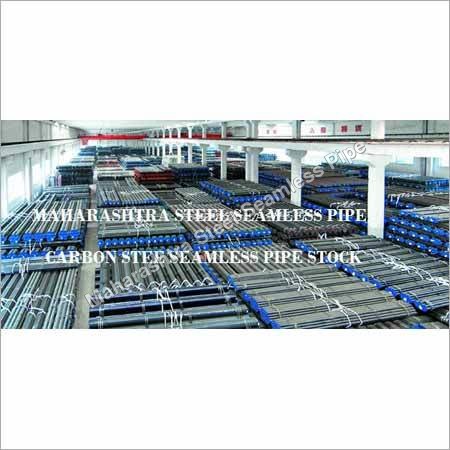
Tell us about your requirement

Price:
Quantity
Select Unit
- 50
- 100
- 200
- 250
- 500
- 1000+
Additional detail
Mobile number
Email

More Products in Carbon Steel Pipes Category
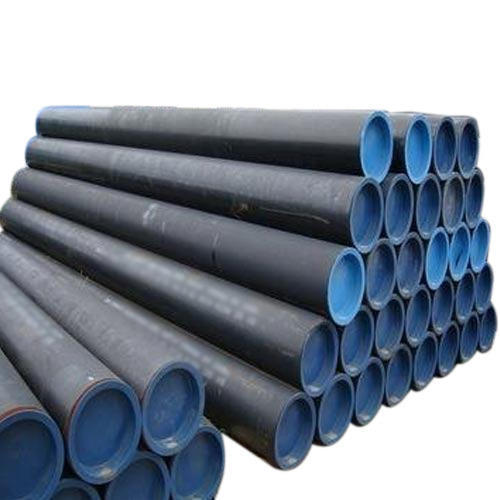
Carbon Steel Seamless Pipe
Price 55 INR / Kilograms
Minimum Order Quantity : 1000 Kilograms, ,
Material : Carbon Steel
Other Material : Mild Steel
Shape : Round
Type : Seamless
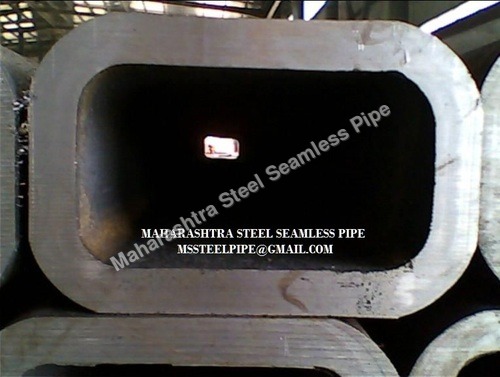
MS Rectangular Pipes
Price 55 INR / Kilograms
Minimum Order Quantity : 1000 Kilograms
Material : Carbon Steel
Other Material : Other , Can be supplied in galvanized or prepainted finish
Shape : Square
Type : Seamless
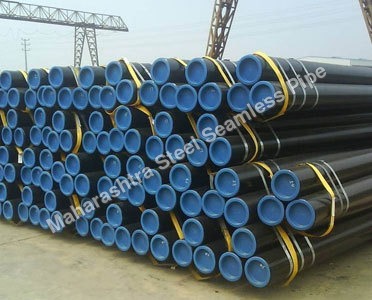
A106 CS Seamless Pipe
Price 55 INR / Kilograms
Minimum Order Quantity : 1000 Kilograms
Material : Carbon Steel
Other Material : Other , Grade A, B, C
Shape : Round
Type : Seamless
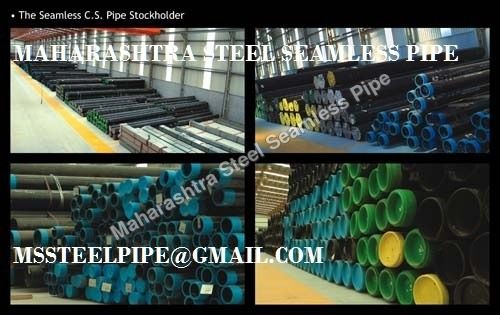
CS Seamless Pipes
Price 55 INR / Kilograms
Minimum Order Quantity : 1000 Kilograms
Material : Carbon Steel
Other Material : Carbon Steel
Shape : Other
Type : Seamless

We mainly deal in Telangana, Bangalore, Chennai and Hyderabad.
Maharashtra Steel Seamless Pipe
GST : 27BCKPS3543R1ZP
GST : 27BCKPS3543R1ZP
345/5, B.P.T, Plot Kassara Street, Mazgoan Dock Dockyard Road, Mumbai - 400010, Maharashtra, India
Phone :08045812371
 Send Inquiry
Email ID : mssteelpipe@gmail.com
 Send Inquiry
 Send SMS
 Call Me Free
MAHARASHTRA STEEL SEAMLESS PIPE
All Rights Reserved.(Terms of Use)
Developed and Managed by Infocom Network Private Limited.
Developed and Managed by Infocom Network Private Limited.

